What Is Design-Build Construction?
For decades, the traditional method of building was Design-Bid-Build. The owner hires an architect to create a design, then shops that design around to multiple contractors to find the lowest bid. This process often creates an adversarial dynamic: the architect designs without a deep understanding of costs, the contractor builds a design they had no input on, and the owner is stuck in the middle mediating disputes when the design inevitably goes over budget.
Design-build construction flips this model on its head. Under the design-build delivery method, the owner signs a single contract with one entity—the design-builder. This firm is responsible for both the design and the construction of the project.
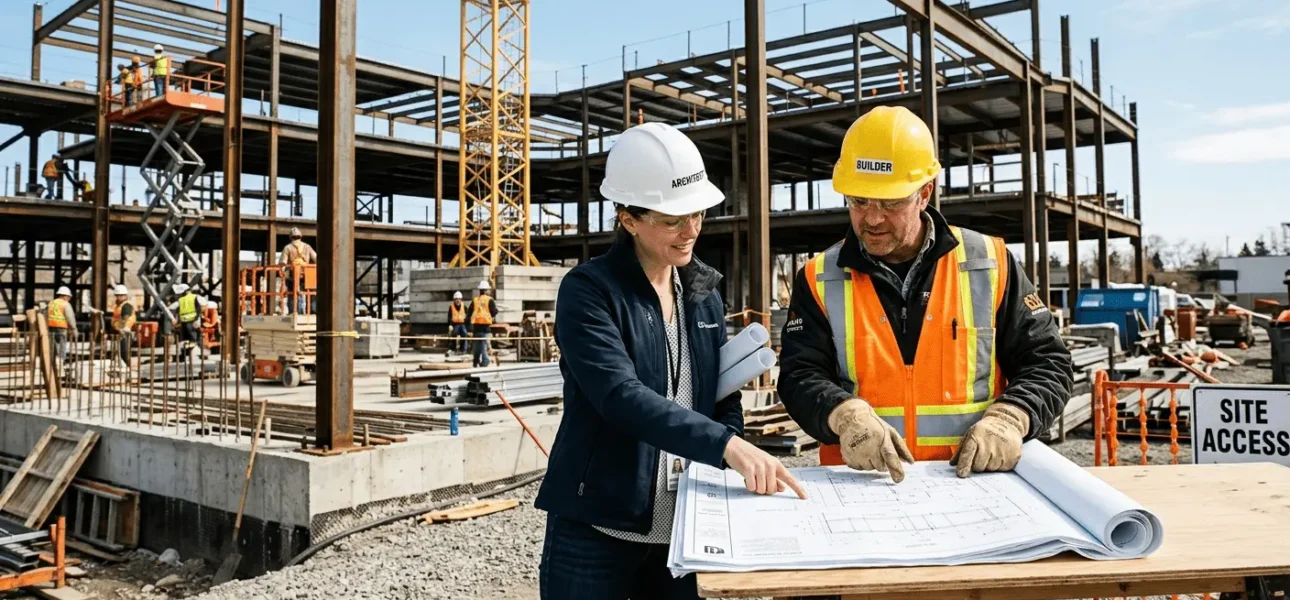
This integrated approach fosters collaboration from day one. The architect, engineers, and construction teams work together under one roof, aligning the design with the owner’s budget and schedule from the very first sketch.
Key Benefits of Design-Build
For decades, the traditional method of building was Design-Bid-Build. The owner hires an architect to create a design, then shops th
The shift toward design-build services is one of the biggest trends in the construction industry today. Why? Because the benefits are undeniable.
1. Single Point of Responsibility In traditional construction, if something goes wrong—say, a duct design doesn’t leave enough room for a structural beam—the architect blames the contractor for improper installation, and the contractor blames the architect for a flawed design. The owner pays for the dispute in time and money. In design-build, there is no finger-pointing. The design-builder is solely accountable for both the design and the execution. If there’s a problem, they fix it.
2. Faster Delivery Because design and construction overlap in the design-build model, projects are completed faster. While the architect is finalizing the detailed design for the interior, the contractor can already be pouring the foundation. This “fast-tracking” can shave months off a project schedule, allowing owners to occupy the building and start generating revenue sooner.
3. Better Cost Control and Reduced Change Orders In design-build, the construction team provides pricing input during the design phase. If a design element is too expensive, the team can value-engineer an alternative before the design is finalized, not after. Because the budget is a shared constraint from the beginning, the final cost is far more predictable, and owner-initiated change orders are drastically reduced.
at design around to multiple contractors to find the lowest bid. This process often creates an adversarial dynamic: the architect designs without a deep understanding of costs, the contractor builds a design they had no input on, and the owner is stuck in the middle mediating disputes when the design inevitably goes over budget.
Design-build construction flips this model on its head. Under the design-build delivery method, the owner signs a single contract with one entity—the design-builder. This firm is responsible for both the design and the construction of the project.
This integrated approach fosters collaboration from day one. The architect, engineers, and construction teams work together under one roof, aligning the design with the owner’s budget and schedule from the very first sketch.
How the Design-Build Process Works
While the process can vary slightly depending on the project, the typical design-build workflow follows these phases:
1. Selection of the Design-Build Team The owner selects a firm based on qualifications, experience, and a preliminary conceptual estimate. This is not a low-bid selection; it’s a partner selection.
2. Concept Design, Budgeting, and Scheduling The design-builder works with the owner to understand the program (what the building needs to do) and develops a preliminary design. Concurrently, the construction team develops a guaranteed maximum price (GMP) and a master schedule.
3. Detailed Design and Construction Once the owner approves the concept and the GMP, the team proceeds with detailed engineering and design. As sections of the design are completed, construction begins. This phased approach accelerates the timeline.
4. Closeout and Turnover Because the design and construction teams have been working together from the start, the final product matches the owner’s intent perfectly. The closeout process is smooth, with all documentation delivered efficiently.
When Design-Build Makes Sense
Design-build is not a one-size-fits-all solution, but it is highly effective for:
- Fast-Track Projects: When you need the building finished quickly to meet a business deadline or market opportunity.
- Complex Projects: Projects that require intense coordination between structural, mechanical, and electrical systems.
- Owners Who Want Simplicity: Owners who prefer to manage one contract and one point of contact rather than juggling an architect and a contractor.
Whether you are developing a commercial office park or building a custom dream home, design-build contractors can streamline the process. In fact, as homeowners increasingly demand adaptable, multi-use living spaces, the design-build model allows for the flexibility needed to adjust floor plans and integrate smart home technology seamlessly during the design phase.
Common Mistakes in Design-Build Projects
While design-build is highly effective, it is not immune to mistakes. Here’s what to watch out for:
1. Skipping Pre-Construction and Value Engineering The entire premise of design-build is that construction input shapes the design. If the construction team sits on their hands during the design phase and only starts working when the drawings are done, you lose the primary benefit of the model. Vazcondev’s approach ensures active pre-construction involvement, including constructability reviews and value engineering from day one.
2. Unclear Scope and “Allowances” A common pitfall is an overly vague scope of work or excessive “allowances” in the budget. An allowance is a placeholder for a cost that hasn’t been decided yet (like light fixtures). If the design-builder relies too heavily on allowances, your final cost will likely exceed the initial estimate. We prioritize clear scope definition early, clarifying inclusions, exclusions, and assumptions to strengthen pricing accuracy.
3. Poor Communication Between Design and Field Teams Even within a single firm, architects and builders can become siloed. True design-build requires a culture of constant, organized communication and documented decisions so stakeholders stay aligned.
Vazcondev’s Design-Build Services
Vazcondev provides integrated design-build delivery that combines architecture, engineering, and construction under one contract for faster timelines and reduced project risk.
Our approach to design-build is built on disciplined execution:
- Early Alignment: We start by aligning scope, budget expectations, and schedule goals early—so decisions are made with clarity and projects move forward with fewer surprises.
- Smart Technology: We use modern project workflows and technology to improve coordination, documentation, and visibility throughout the project.
- Quality and Safety: We maintain quality control from rough work to final finishes, and we run organized jobsites with safety-first standards.
Whether you are an investor developing a commercial asset or a homeowner building your residence, our design-build services provide a seamless, stress-free path to completion.
How to Choose Design-Build Contractors
When selecting a design-build partner, look for:
- Integrated Team Structure: Ensure they have in-house design capabilities or a deeply integrated architectural partner. A contractor who just outsources the design to the lowest-bidding architect isn’t offering true design-build.
- Track Record: Ask for case studies of completed design-build projects. Talk to past clients about the seamlessness of the experience.
- Cultural Fit: Because you will be working closely with this team from concept to closeout, it is vital that their communication style and values align with yours.
Transform Your Project with Design-Build
The construction industry is moving away from adversarial, fragmented delivery methods toward integrated, collaborative approaches. Design-build is at the forefront of this shift, offering owners a faster, more cost-effective, and far less stressful building experience.
If you are planning a commercial or residential project and want a partner who can guide you from an empty plot of land to a fully realized asset—without the headaches of traditional construction—design-build is the answer.
Ready to experience the design-build difference? Contact Vazcondev today to discuss your project and discover how our integrated services can bring your vision to life on time and on budget.