What Residential Construction Companies Actually Do
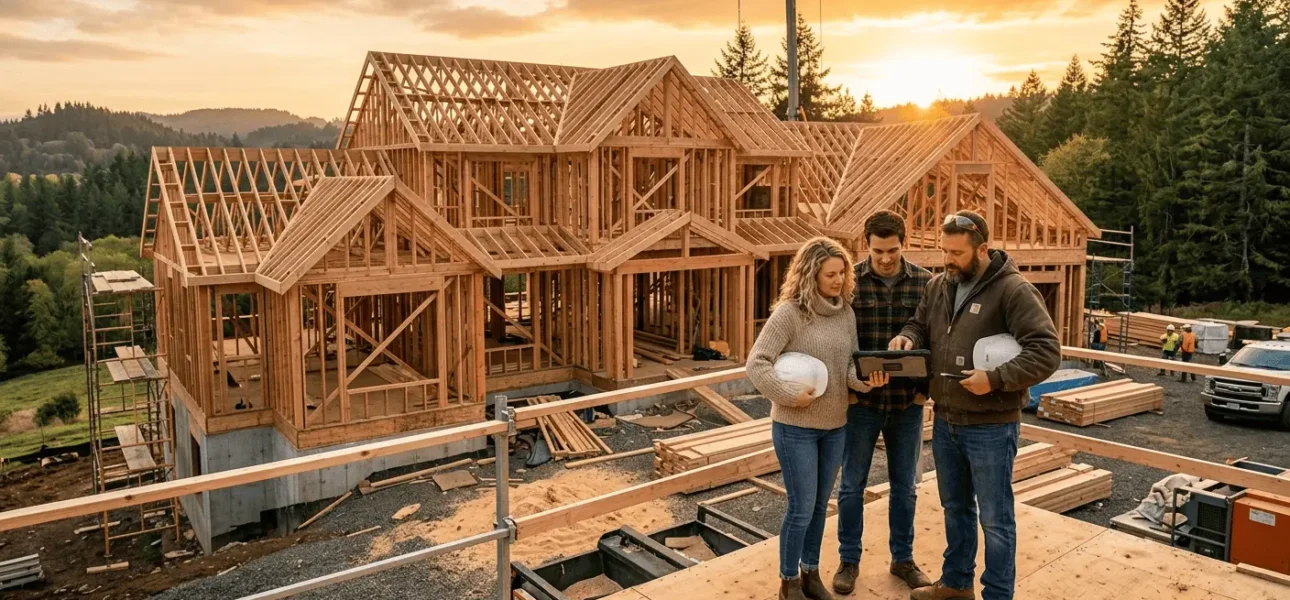
Residential construction is more than just framing walls and installing shingles; it is the intricate process of creating a personal sanctuary. Whether you are building a custom home from the ground up, undertaking a major renovation, or adding an accessory dwelling unit (ADU), residential construction companies serve as the orchestrators of your vision.
They manage a complex web of moving parts: architecture, engineering, local permitting, material procurement, and the coordination of dozens of specialized trades—from electricians and plumbers to carpenters and roofers. A top-tier residential general contractor acts as the single point of accountability, ensuring that all these elements come together seamlessly, on schedule, and within budget.
In 2025 and beyond, the residential construction landscape is evolving. With the “rate lock-in” effect keeping homeowners in older houses, residential remodeling is experiencing a strong boom. Homeowners are demanding modern, adaptable spaces that meet contemporary lifestyle needs, making the choice of a builder more critical than ever.
How to Search for "Residential Construction Companies Near Me"
When you type “residential construction companies near me” or “custom home builders” into Google, you are relying on search algorithms to find local experts. Here is how to optimize your search:
1. Leverage Local SEO Pay attention to the Google Business Profiles that appear in the local map pack. Look for companies with high review counts, a 4.5-star rating or higher, and recent, authentic reviews that mention communication, cleanliness, and schedule adherence.
2. Review Portfolios Thoroughly A builder’s portfolio is their resume. But don’t just look at the glossy finished photos. Look for diversity in their work. Do they have experience with the architectural style you want? If you are building a modern farmhouse, a builder who exclusively produces Mediterranean-style homes might not be the best fit.
3. Ask for Referrals Word-of-mouth remains the most powerful tool in residential construction. Ask friends, family, or local real estate agents for recommendations. A referral from someone who has had a positive, low-stress building experience is invaluable.
Key Criteria for Choosing a Residential Contractor
Once you have a shortlist, evaluate them against these critical criteria:
1. Relevant Experience Not all residential builders are created equal. Building a spec home is vastly different from constructing a high-end custom home. Ensure they have specific experience with your project type, whether it’s a ground-up build, a historic renovation, or a large-scale addition.
2. Proper Licensing and Insurance Verify that they hold the appropriate state contractor’s license. More importantly, ask for a copy of their insurance certificate. They must carry general liability insurance and workers’ compensation insurance. If an uninsured worker is injured on your property, you could be held liable.
3. Communication Style and Transparency Building a home is a deeply personal and often stressful process. You need a contractor who communicates proactively. Are they responsive to your calls and emails? Do they explain complex construction concepts in a way you can understand? At Vazcondev, we prioritize organized communication and documented decisions so homeowners stay aligned and projects move forward without confusion.
Understanding Residential Construction Costs & Timelines
One of the biggest sources of anxiety for homeowners is the budget. A trustworthy contractor will help you understand exactly where your money is going and how long the project will take.
Typical Cost Ranges and Factors Residential construction costs vary widely based on location, material selections, and site conditions. A builder should provide a detailed estimate that breaks down hard costs (materials, labor) and soft costs (permits, design fees).
The Power of Pre-Construction This is where Vazcondev’s approach shines. We believe that realistic planning protects your timeline and investment. During pre-construction, we establish realistic budgets and build schedules that reflect real-world site conditions, permitting requirements, and material lead times. This process minimizes the “surprises” that derail budgets and timelines later in the project.
Design-Build vs. Design-Bid-Build for Home Projects
Homeowners must also decide on the project delivery method. The two most common are:
Design-Bid-Build (Traditional) You hire an architect to create plans, then take those plans to multiple contractors to bid on. While this can yield competitive pricing, it creates a disconnect. The architect designs without full knowledge of construction costs, and the contractor builds a design they had no input on. If the design exceeds your budget, you must pay for costly redesigns.
Design-Build The design and construction are handled under one contract by a single entity. This method fosters collaboration from day one. The builder and designer work together to ensure the design aligns with your budget and schedule. For most homeowners, design-build offers a smoother, more efficient, and cost-effective experience, as it eliminates the adversarial dynamic that can occur between separate designers and builders.
Vazcondev’s Approach to Residential Construction
At Vazcondev, we deliver residential projects with disciplined planning and accountable execution. We understand that your home is your greatest asset, and our goal is a finished project that performs well, looks right, and holds long-term value.
Our commitments to residential clients include:
- Quality Without Compromise: We maintain rigorous quality control from rough framing to final finishes, verifying workmanship at every stage.
- Safety & Professionalism: We run organized jobsites with strict safety standards and respectful conduct, protecting your property and your family.
- Clear Scope Definition: We confirm project requirements early, clarifying inclusions, exclusions, and assumptions to reduce confusion and prevent avoidable change orders.
Questions to Ask Before You Sign a Contract
Before you commit, ask these final questions:
- “How do you handle change orders?” (It’s not if they happen, but how they are managed. Ensure all change orders are documented and approved in writing before work proceeds).
- “What is the payment schedule?” (Be wary of contractors who ask for large sums upfront. Payments should be tied to milestones).
- “What kind of warranty do you provide?” (Understand what is covered and for how long).
- “How do you handle site cleanup?” (You shouldn’t have to live in a construction zone).
Turning Your Vision into a Home
Building or remodeling a home doesn’t have to be a nightmare. By choosing the right partner—one who values clear planning, transparent communication, and disciplined execution—you can transform the construction process from a stressful ordeal into an exciting journey.
If you are ready to build a space that meets your lifestyle today and holds lasting value for tomorrow, Vazcondev is ready to help.
Ready to start your home project? Contact Vazcondev today for pricing guidance, scheduling direction, and a clear plan to move your residential project forward.